
Motorcycle accident settlements in California vary based on the injuries suffered, medical expenses, lost wages, and the overall impact the crash has on your life. Many riders are unsure of the value of their claim or how insurance companies determine settlement offers. Understanding the average settlement range can help you make informed decisions after an accident.
At Burg & Brock, we’ve spent years helping injured riders across California understand what fair motorcycle accident settlements really look like. Settlement amounts vary a lot, depending on injuries, fault, and insurance limits. Some cases are modest, while serious injuries can lead to significant compensation for medical bills, lost wages, and recovery. If you’ve been hurt, contact us today so we can help you understand your claim and fight for what you’re owed.
In this blog, we will explain the average motorcycle accident settlement in California, the factors that affect claim value, and what steps can help maximize your recovery.
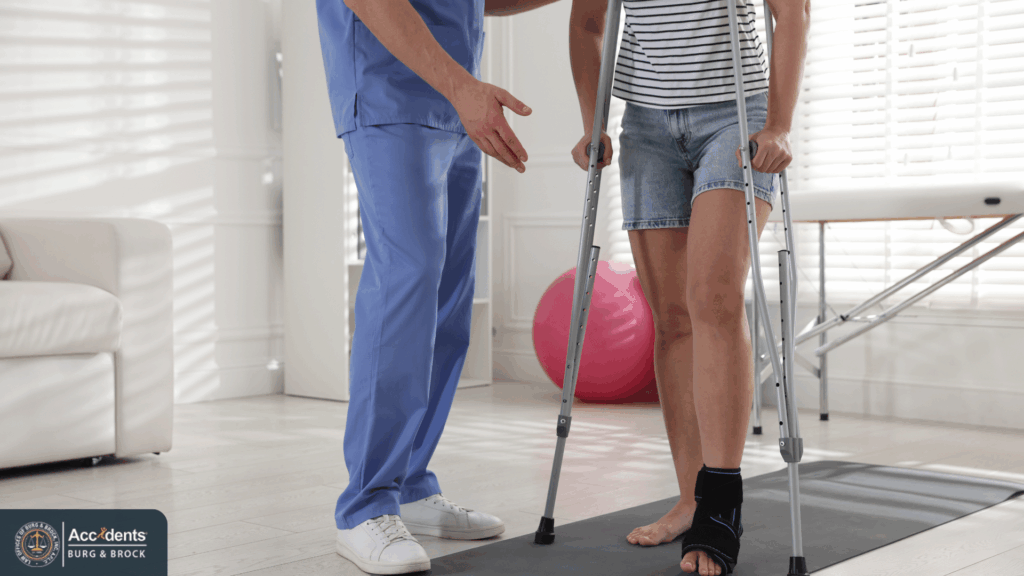
A motorcycle accident settlement is the amount of money paid to resolve a personal injury claim after a crash. There is no fixed average because every case is different. Some settlements may be a few thousand dollars, while others are much higher. It often depends on the injuries, losses, and who was at fault. Data shows that motorcycle crashes are common in California, with 13,381 injury and fatal crashes reported in 2021.
One of the biggest factors is the severity of injuries. Minor injuries may lead to smaller settlements due to lower medical costs. Severe injuries, surgery, catastrophic injuries, or long recovery times often increase the value. Pain, missed work, and future treatment can also raise compensatory damages.
Liability is one of the biggest factors in determining settlement value. When the other driver is clearly at fault, claims are usually stronger and more straightforward. But under California’s comparative negligence rules, compensation can be reduced if both parties share blame.
Evidence like police reports, photos, and witness statements is key to proving fault. California data also shows how safety choices matter as rider deaths involving no helmets dropped from 43 in 2022 to 33 in 2023, highlighting the real impact of protective gear on crash outcomes.
Insurance policy limits can affect how much money is available. The at-fault driver's coverage may cap even strong claims. Some people also use their insurance coverage for extra support. A motorcycle accident lawyer can explain your rights and assist you in obtaining fair compensation.
Settlements in California are a common way to resolve legal disputes without going through a full court trial. They allow both sides to negotiate an agreement, saving time, reducing stress, and limiting legal costs. Understanding how the process works can make it easier to protect your rights and know what to expect, so let’s walk through the key steps involved.
The settlement process usually begins when one party files a claim against another for damages, injuries, or another legal issue. This can include a motorcycle injury claim after a crash.
Both sides collect important documents, records, and other evidence to support their position. Strong evidence often plays a major role in how much a case may settle for and how quickly negotiations move forward.
Many people choose to work with an attorney to understand their rights and handle communications with the other side. Hiring personal injury lawyers can help you avoid mistakes, value your claim properly, and negotiate from a stronger position with skilled attorney support.
After reviewing the facts, both parties usually begin negotiating a possible settlement amount or terms. This stage may involve several offers and counteroffers before a fair settlement is reached.
If negotiations stall, the parties may use mediation or arbitration to resolve the dispute. Mediation involves a neutral third party helping both sides identify common ground, while arbitration may result in a binding decision.
Once both sides agree on the terms, the settlement is put into writing for everyone to review and sign. This may include the final settlement amount along with the deadlines for payment.
After the agreement is signed, the payment agreed upon is made according to the settlement terms. Once completed, the claim is usually resolved, and the case is officially closed with a final settlement.

Settlement amounts can vary widely because every claim involves different facts, losses, and circumstances. Insurance companies, attorneys, and courts often look at both financial losses and personal impact when determining value. To better understand what may increase or decrease compensation, let’s look at several key factors that commonly affect settlement figures.
Settlement amounts for motorcycle accident cases can vary from case to case. Some claims settle for less, while others may be worth much more. The difference often depends on injuries, evidence, fault, and financial losses. The table below shows common factors that may lead to a lower or higher settlement.
| Factor | Lower Settlement | Higher Settlement |
|---|---|---|
| Injury Severity | Minor injuries | Serious or permanent injuries |
| Medical Bills | Low treatment costs | Expensive treatment or future care |
| Lost Income | Little missed work | Long time off work |
| Fault | Shared blame | Other driver clearly at fault |
| Evidence | Weak proof | Strong records and witnesses |
| Recovery Time | Quick recovery | Long-term recovery |
| Pain & Suffering | Limited impact | Major physical or emotional impact |
| Insurance Coverage | Low policy limits | Higher available coverage |
Settlement talks can feel stressful, especially after an accident or injury. Many people expect a quick payment, but delays are common. Disputes over fault or damages can slow the process. Knowing the common challenges helps you prepare and respond better.
One major challenge is dealing with insurance adjusters. They may ask many questions or offer less than the claim is worth. Strong insurance negotiation means staying calm and knowing your losses. Keep records, avoid guessing, and review offers carefully before making a decision.
Another issue is proving liability after the incident. The other side may deny fault or shift blame to you under the comparative negligence system.
Gathering evidence is also a common hurdle for many people. If you delay, you risk losing important records. Keep records of medical bills, repair estimates, and any messages related to the claim. A lawyer can assist in constructing a more robust settlement case if complications arise.

First, check for injuries and stay calm. Call 911 immediately if you or anyone else is injured. Seek immediate medical attention even if injuries seem minor. Many issues don’t show symptoms right away. Move to a safe area if possible, but do not leave the scene. The health of an accident victim must always be prioritized.
Next, gather as much relevant information as possible. Take photos of the scene, vehicles, and any visible injuries. Exchange details with the other driver, including insurance and contact information. Speak with witnesses and collect their names and numbers. These details can be important for any future claim involving the accident victim.
Finally, report the crash to authorities and ensure your rights are protected. Make sure a police report is filed and get a copy when available. Notify your insurance company, but keep your statements brief. Avoid admitting fault or speculating about what happened. An accident victim should also consider speaking with a lawyer to understand their options and next steps.
Getting expert legal advice can make a challenging situation easier to handle. Legal counsel guides you through the motorcycle accident claims process, providing a step-by-step explanation. They know how to avoid delays and common mistakes. Their support can reduce stress and save you valuable time.
One of the top attorney advantages is expertise in negotiation. Lawyers know how to negotiate low offers and pressure tactics. They use evidence and facts to seek fair compensation. This can assist in pursuing maximum compensation.
For example, after a motorcycle crash in California, a rider suffered a broken leg and missed several weeks of work. The insurance company first offered a low settlement that did not cover all losses. He contacted a motorcycle accident lawyer, who helped gather medical records and negotiate on his behalf. With proper guidance, he received a higher settlement that covered treatment costs, lost income, and recovery needs.
They also help you understand your legal rights clearly. A lawyer explains deadlines, options, and possible outcomes. They manage paperwork, forms, and important communications for you. With help from an experienced motorcycle accident attorney, you can focus on recovery rather than on paperwork.
Understanding the average motorcycle accident settlement in California can prepare you for what to expect after a crash. Settlement for a motorcycle accident often depends on factors like injury severity, medical expenses, lost wages, and the overall impact the accident has had on your life.
Because every case is different, consulting an experienced attorney can significantly impact your ability to protect your rights and pursue fair compensation. The right legal guidance can help you understand your options and move forward with confidence.
Ever wonder what your motorcycle accident settlement in California might actually be worth? At Burg & Brock, our experienced motorcycle accident lawyers in California helped injured riders navigate everything from minor crash claims to serious, life-changing injuries. Every case is different, but factors like medical costs, lost income, fault, and insurance coverage all play a major role in your outcome. If you've sustained an injury, contact us today for a complimentary case review.
Many people have questions about the average motorcycle accident settlement in California and how claims are handled. These answers explain common concerns in simple terms, so you know what to expect.
The average motorcycle accident settlement in California can vary widely based on the case. Minor injuries may settle for less, while serious injuries can lead to much higher amounts.
Settlement amounts are usually based on medical bills, lost wages, and property damage. Pain, suffering, and future medical expenses may also be included.
The process usually starts by reporting the accident and gathering evidence. Then a claim is filed with the insurance company, followed by negotiation or legal action if needed.
Some claims settle in a few months, while others can take longer. Cases with serious injuries or disputes often take more time to resolve.
Yes, settlement offers can often be negotiated. Strong evidence and knowing the value of your claim can help you seek a better potential settlement.
Disclaimer: The information provided on this blog is for general informational purposes only and does not constitute legal advice. Reading this content does not create an attorney-client relationship. Laws and regulations vary by jurisdiction and may change over time, so you should consult a qualified personal injury attorney directly for advice regarding your specific situation. Past examples, case studies, or hypothetical scenarios are illustrative only and do not guarantee similar results.

Cameron Brock is a recognized personal injury lawyer in Los Angeles with extensive experience and success representing individuals and families in catastrophic personal injury and wrongful death cases.
Cameron’s established track record of helping those who have been harmed by wrongful conduct, violations of safety rules, and defective products has focused on claims involving automotive product defect, tire product defect, commercial truck accidents, trash truck accidents, airplane and helicopter crashes, train disaster, government liability for dangerous condition of public property, and general negligence.
Read more about Cameron BrockWe turn your pain into payouts. No stress, no upfront fees, just real results when you need them most.
Choose which categories of cookies and tracking technologies you allow on burgbrock.com. Strictly necessary cookies are always on so the site can function.
Required for the site to load, keep you signed in, and remember your preference choice. Always active.
Lets us see which pages people visit so we can improve the site. No personal data is sold.
Allows ad partners to measure the performance of ads you may have seen and show more relevant ads.
Powers extras like chat, embedded video, and remembered form fields. Turning these off may break some features.