According to the National Safety Council, in 2020, 805 workers died in falls, and 211,640 were injured badly enough to require days off of work. You may ask who is responsible for fall accidents? Well, a slip and fall lawyer can help you to figure it out!
When an individual slips & falls on someone else’s property and is injured as a result of a dangerous condition on the property, the land owner or business proprietor may find himself legally responsible and may be liable for the injuries.
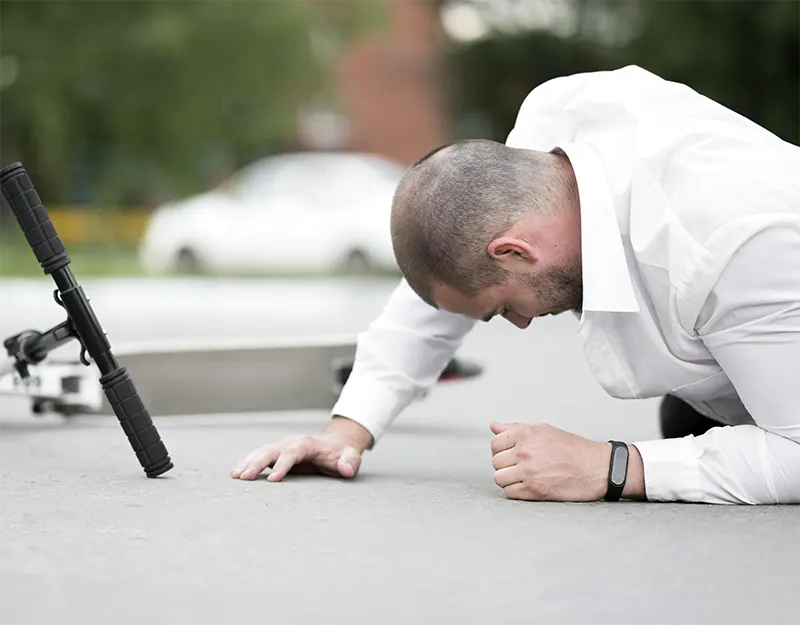
Dangerous & hazardous conditions may cause slips and falls due to accumulation of water, ice or snow, liquids, as well as abrupt changes in flooring, raised or cracked sidewalks, poor lighting, or a hidden hazard, such as a hidden ground hole.
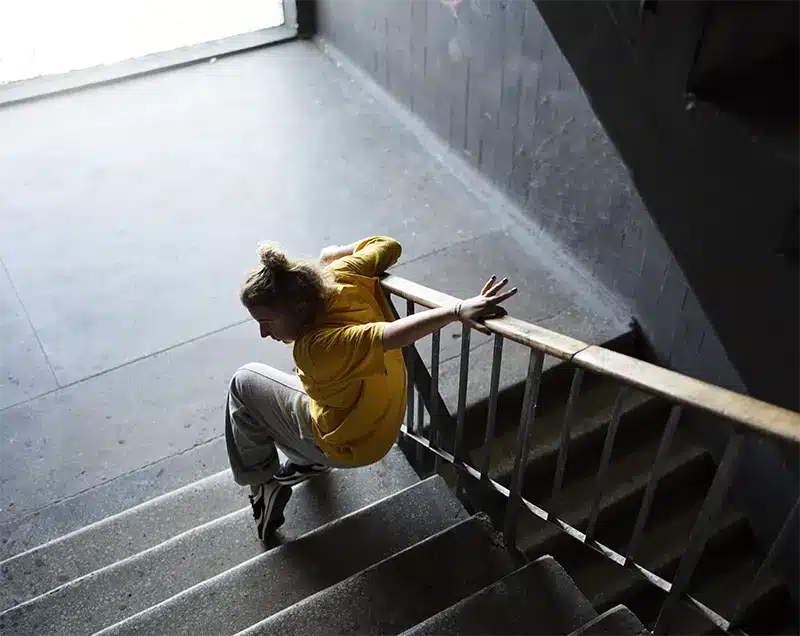
The owner or manager of property can be liable to somebody injured on their property, but not under all circumstances. The owner or the manager of the property has to be negligent in the conduct of caring for or managing their property.
In general, a property owner will be considered to have knowledge of a dangerous or hazardous condition if it is permanent in nature. When a dangerous or hazardous condition is permanent in nature, the owner would have known, or should have known, about the condition before the slip and fall accident occurs.
In the case of temporary conditions such as a liquid spill, the length of time that the condition existed before the incident occurred has legal significance. If the spill occurred just before the incident, then the property owner may not be liable for injury, since the owner could not have known about the spill (and would not have been able to do anything about it) before the slip and fall occurred.
Knowledge of dangerous or hazardous condition example:
This depends on the jurisdiction and the facts of your particular case (an attorney can help you with this). Depending on the jurisdiction and the facts of your particular case, generally, the following damages may be recoverable:
For further information see the related sections: